Landlord-Tenant Issue Resolution: Legal Support Available
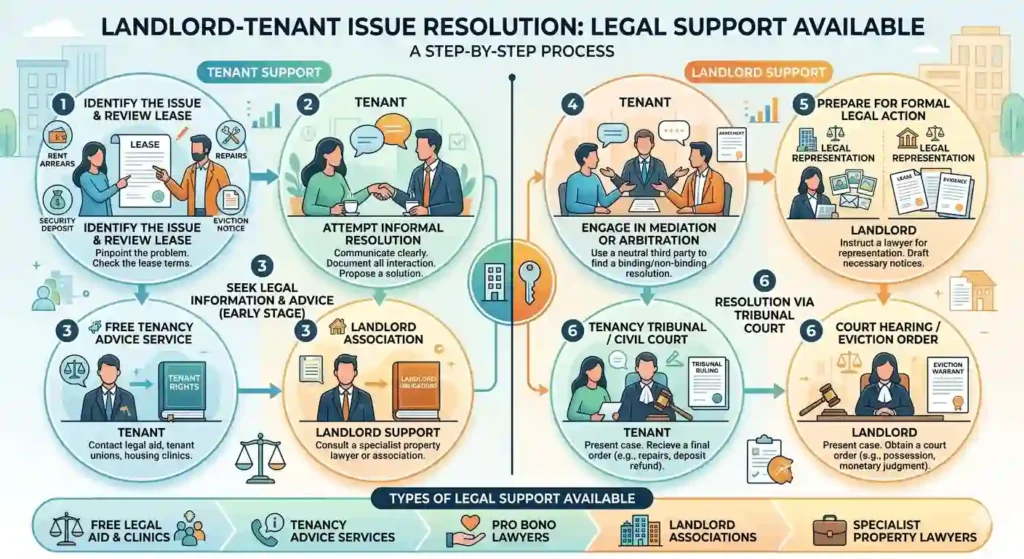
Landlord-Tenant Issue Resolution – Property disputes often disrupt finances, possession rights, and peaceful occupation. Therefore, timely legal intervention protects landlords and tenants…
Landlord-Tenant Issue Resolution – Property disputes often disrupt finances, possession rights, and peaceful occupation. Therefore, timely legal intervention protects landlords and tenants from prolonged conflicts. Indian tenancy matters involve rent defaults, unlawful eviction, lease violations, property damage, and unauthorized occupation. Courts examine agreements, evidence, and statutory obligations before granting relief. Paramount Law House: Property Lawyers 24×7 assists clients through negotiations, notices, litigation, and enforcement proceedings. Legal remedies arise under the Code of Civil Procedure, 1908, Bharatiya Nagarik Suraksha Sanhita, 2023, Bharatiya Nyaya Sanhita, 2023, and Bharatiya Sakshya Adhiniyam, 2023. Municipal bodies, police stations, revenue authorities, and civil courts also play important roles. Effective representation reduces risks and protects property rights. Moreover, professional legal guidance helps parties avoid procedural mistakes. Early action often prevents escalation and preserves valuable evidence for future proceedings.
Landlord-Tenant Issue Resolution: Legal Support Available – Paramount Law House: Property Lawyers 24×7
Common Landlord-Tenant Disputes and Legal Rights
Landlord-tenant conflicts arise from several recurring issues across residential and commercial properties. Rent arrears frequently trigger legal notices and recovery proceedings. Unauthorized subletting often breaches contractual obligations and creates occupancy complications. Tenants may face unlawful lockouts, utility disconnections, or harassment. Landlords may encounter property damage, illegal occupation, or refusal to vacate. Courts assess lease terms, rent receipts, correspondence, and witness testimony. Furthermore, written agreements significantly strengthen legal claims. Rights and obligations usually depend upon local rent laws and contractual clauses.
Common Issues
- Rent default.
- Illegal eviction.
- Security deposit disputes.
- Unauthorized occupation.
- Property misuse.
| Issue | Possible Remedy |
|---|---|
| Rent Default | Recovery Suit |
| Illegal Eviction | Injunction |
| Property Damage | Compensation Claim |
| Trespass | Police Complaint |
Legal Notice, Documentation, and Evidence Collection
Strong documentation improves success in tenancy disputes. Accordingly, parties should preserve every transaction record. Lease agreements, rent receipts, bank statements, utility bills, photographs, and communications provide valuable evidence. Lawyers usually issue legal notices before initiating litigation. Such notices clarify claims and offer settlement opportunities. Proper drafting prevents ambiguity and strengthens future proceedings. The Bharatiya Sakshya Adhiniyam, 2023 recognizes electronic evidence subject to statutory requirements. Digital messages often become critical during dispute resolution. Courts appreciate organized documentation because it promotes efficient adjudication.
Essential Documents
- Registered lease deed.
- Rent payment proof.
- Property ownership records.
- Identity documents.
- Inspection photographs.
Benefits
- Strong evidence.
- Faster resolution.
- Better settlement leverage.
- Reduced litigation risks.
Rent Recovery and Eviction Proceedings
Landlords possess legal remedies when tenants fail to pay rent or violate agreements. However, eviction generally requires compliance with applicable legal procedures. Courts rarely support self-help eviction methods. Property owners may issue demand notices and seek possession orders. Civil courts can grant recovery of arrears, mesne profits, and possession. Moreover, interim injunctions protect property interests during litigation. Execution proceedings enforce decrees after favorable judgments. Police assistance may become available during lawful enforcement stages. Strategic case preparation often accelerates recovery efforts.
Available Remedies
- Recovery of rent arrears.
- Possession proceedings.
- Mesne profits claims.
- Permanent injunctions.
| Forum | Relief |
|---|---|
| Civil Court | Possession |
| District Court | Appeals |
| Execution Court | Enforcement |
| Lok Adalat | Settlement |
Tenant Protection Against Illegal Eviction
Tenants enjoy legal protection against arbitrary actions. Consequently, landlords cannot forcibly remove occupants without lawful authority. Illegal lockouts, intimidation, and utility disconnections may create actionable claims. Tenants can seek injunctions and restoration orders from competent courts. Police complaints may address intimidation, trespass, or criminal misconduct. The Bharatiya Nyaya Sanhita, 2023 may apply where criminal acts accompany tenancy disputes. Courts examine possession records, agreements, and payment history before granting relief. Prompt legal action often prevents further violations and preserves occupancy rights.
Tenant Remedies
- Temporary injunction.
- Permanent injunction.
- Police complaint.
- Compensation claim.
- Declaratory relief.
Role of Courts, Tribunals, and Government Authorities
Different forums handle specific tenancy disputes. Civil courts adjudicate possession, rent recovery, and contractual claims. District courts hear appeals against lower court decisions. Lok Adalats facilitate negotiated settlements at reduced costs. Revenue authorities sometimes address land-related records and ownership concerns. Municipal authorities may handle building compliance issues. Police stations investigate cognizable offences connected with tenancy conflicts. Therefore, choosing the correct forum remains essential for success. Legal professionals evaluate jurisdiction before commencing proceedings.
Authorities Involved
- Civil Courts.
- District Courts.
- Lok Adalats.
- Revenue Departments.
- Municipal Authorities.
- Police Stations.
Alternative Dispute Resolution and Settlement Options
Litigation consumes time and resources. Therefore, many parties prefer negotiated settlements. Mediation allows confidential discussions with neutral facilitators. Arbitration may apply where agreements contain valid arbitration clauses. Settlement discussions often preserve commercial relationships and occupancy arrangements. Lawyers draft settlement terms to prevent future misunderstandings. Additionally, mediated outcomes frequently reduce legal expenses. Parties retain greater control over results than courtroom litigation. Early dispute resolution benefits both landlords and tenants.
Advantages
- Lower costs.
- Faster outcomes.
- Confidential process.
- Flexible solutions.
- Reduced hostility.
Why Choose Paramount Law House: Property Lawyers 24×7
Property disputes require strategic planning, procedural compliance, and effective advocacy. Paramount Law House: Property Lawyers 24×7 provides comprehensive legal support for landlords and tenants. Services include legal notices, document review, negotiations, court representation, and decree execution. The firm assists with rent recovery, eviction matters, injunctions, possession claims, and settlement strategies. Furthermore, clients receive guidance regarding evidence preservation and forum selection. Timely legal intervention often minimizes financial losses and legal exposure. Dedicated representation helps protect property rights and secure enforceable remedies. Professional support remains crucial throughout every stage of dispute resolution.
Legal Services Offered
Property disputes require customized solutions based on facts and legal rights. Paramount Law House delivers end-to-end assistance across tenancy conflicts. Lawyers analyze agreements, identify risks, and formulate litigation strategies. Additionally, the firm supports mediation and settlement initiatives. Clients receive practical advice regarding notices, documentation, and evidence. Legal representation extends from trial proceedings to appellate remedies. The objective remains efficient dispute resolution while protecting lawful interests. Experienced guidance improves confidence during complex legal proceedings.
Jurisdiction and Applicable Laws
Indian tenancy disputes involve multiple legal frameworks depending on facts and location. Civil Procedure rules govern institution and conduct of suits. The Bharatiya Nagarik Suraksha Sanhita, 2023 addresses procedural criminal aspects. Bharatiya Nyaya Sanhita, 2023 governs relevant criminal offences. The Bharatiya Sakshya Adhiniyam, 2023 regulates evidentiary standards. State-specific rent control legislation may also apply. Therefore, legal analysis must consider jurisdictional requirements before initiating action. Accurate legal assessment strengthens outcomes and avoids procedural complications.
Immediate Steps During a Tenancy Dispute
Parties should act carefully after a dispute arises. First, preserve documents and electronic communications. Second, avoid confrontational actions that may worsen the conflict. Third, seek professional legal advice without delay. Fourth, evaluate settlement possibilities before litigation. Fifth, issue legally compliant notices where necessary. Moreover, timely action prevents evidence loss and procedural disadvantages. Structured responses often improve negotiation positions and litigation prospects. Early preparation remains a key factor in successful dispute resolution.
Strategic Remedies for Landlords
Landlords should pursue legally sustainable remedies. Recovery proceedings may address outstanding rent obligations. Possession claims can remove unauthorized occupants through lawful processes. Injunctions may prevent further property misuse. Compensation claims can recover damages arising from contractual breaches. Furthermore, negotiated settlements often deliver practical results. Strategic legal planning balances enforcement goals with procedural compliance. Proper representation increases the likelihood of effective recovery and possession outcomes.
Strategic Remedies for Tenants
Tenants should protect possession rights through lawful measures. Injunctions can prevent unlawful dispossession attempts. Compensation claims may address harassment or wrongful conduct. Documentary evidence strengthens occupancy and payment defenses. Additionally, mediation can resolve disagreements without prolonged litigation. Legal notices often clarify positions and encourage settlement. Courts provide remedies where rights face genuine threats. Effective legal guidance helps tenants secure fair and enforceable outcomes.
Frequently Asked Questions
Q1. Can a landlord evict a tenant without court proceedings?
No. Lawful eviction generally requires compliance with statutory procedures and competent court orders before possession recovery.
Q2. What documents help in tenancy disputes?
Lease deeds, rent receipts, bank records, photographs, notices, utility bills, and electronic communications provide strong evidence.
Q3. Can tenants challenge illegal lockouts?
Yes. Tenants may seek injunctions, restoration orders, compensation, and police intervention where circumstances justify action.
Q4. How can landlords recover unpaid rent?
Landlords may issue notices, negotiate settlements, and file recovery proceedings before competent civil courts.
Q5. Are WhatsApp messages admissible as evidence?
Yes. Electronic records may become admissible when statutory evidentiary requirements are properly satisfied.
Q6. Is mediation useful for landlord-tenant disputes?
Yes. Mediation often reduces costs, saves time, preserves relationships, and achieves mutually acceptable solutions.
Read More
- Lease Deed Review: Ensure Compliance and Validity
- Legal Heir Certificate Obtained: Smooth Inheritance Process
- Legal Notice Assistance: Protect Your Rights Effectively
- Multi-storey Building Issue Resolution: Legal Support
- Legal Notice Reply Representation: Swift Responses
- Department of Justice, Government of India